01Post-training is a data problem
PPO, GRPO, and DPO are commoditized. In my engineering iterations, the only variable that structurally improved alignment was the synthetic data engine.
A long-running notebook about building and taking systems apart: models, tools, infrastructure, failures, and the judgment behind technical work.

PPO, GRPO, and DPO are commoditized. In my engineering iterations, the only variable that structurally improved alignment was the synthetic data engine.
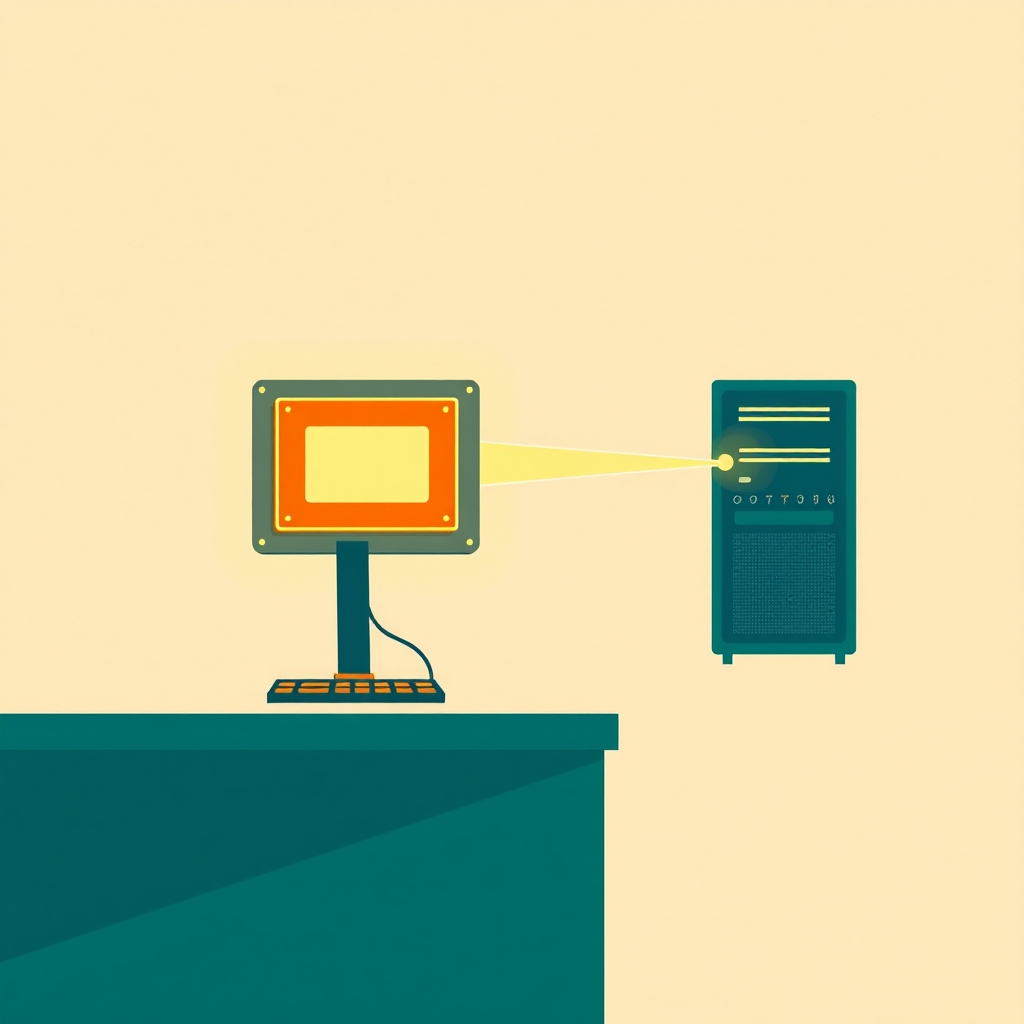
The orchestration mess around ephemeral, rented GPUs is the actual bottleneck of model iteration. Here is my bet with ORBIT: treat a run as a reproducible artifact, splitting control from execution.

The whole LLM stack assumes CUDA. The GPU in front of you is often an Intel iGPU or a CPU. Getting a real, low-latency autoregressive TTS to stream there means rebuilding the parts you usually pip-install — the decode loop, the KV cache, the batching scheduler — on OpenVINO.
From data engines to GRPO, reward hacking, DPO and self-play — the math for why each method works, and why the data usually outweighs the optimizer.
PPO, GRPO, and DPO are commoditized. In my engineering iterations, the only variable that structurally improved alignment was the synthetic data engine.

Pure RL from a base model on a hard task mostly produces high-variance garbage — and the policy-gradient math says exactly why. The fix I use is a two-stage recipe: a small SFT cold-start to give the policy a shape, then GRPO to climb. The recipe, the math, and the failure modes that actually bite.

RL doesn't optimize what I want — it optimizes exactly what I wrote down. The gap between the two is reward hacking, and closing it is most of the real work. Verifiers vs reward models, and how a constraint reward earned its +12%.

RLHF is powerful and heavy — a reward model, an online rollout loop, instability. DPO gets most of the way with a fraction of the machinery. The derivation, the gradient that explains why I use it, and the catch — which is always the data.

There's no dataset of good game-play. But in a game with a clear outcome, I manufacture one — I let a strong sampler play out games, filter by who won, and the transcripts become the strategy data. How the data engine, the verifier, and emergent strategy all meet, grounded in my GAME pipeline.
Make a training run a reproducible artifact, not a shell session: a declarative control plane reconciled against a disposable execution plane.
The orchestration mess around ephemeral, rented GPUs is the actual bottleneck of model iteration. Here is my bet with ORBIT: treat a run as a reproducible artifact, splitting control from execution.

I designed ORBIT's execution core to be completely oblivious to the tasks it runs. By pushing task-specific logic up into plugins, I prevented new tasks from mutating and breaking the executor.

When a rented machine evaporates, the only evidence left is what you collected. I enforced a strict directory contract for bundles to ensure exact dependency provenance and runtime observability.
Rebuilding the CUDA serving stack — paged-KV, a quantized cache, continuous batching — on an Intel iGPU, derived from the bandwidth math up.
The whole LLM stack assumes CUDA. The GPU in front of you is often an Intel iGPU or a CPU. Getting a real, low-latency autoregressive TTS to stream there means rebuilding the parts you usually pip-install — the decode loop, the KV cache, the batching scheduler — on OpenVINO.

A TTS model isn't one graph — it's a small pipeline of graphs with wildly different compute shapes. The key design move in porting Qwen3-TTS to OpenVINO is cutting it at the seams: a talker graph for long-context attention, a cached subcode graph for the rest of each multi-codebook frame, and a chunked streaming decoder.
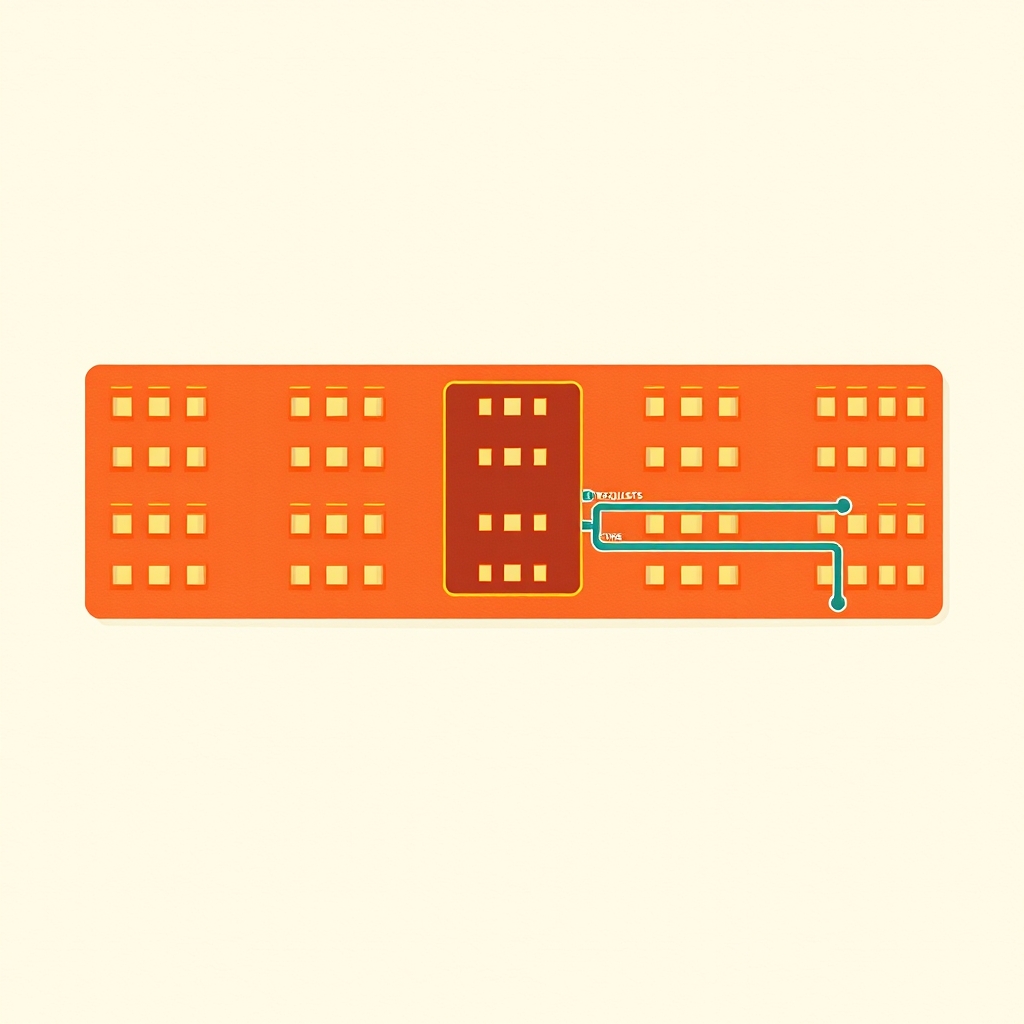
You have the model graphs. Now serve them — long-context, concurrent, inside an iGPU's memory budget, with none of vLLM's machinery. Four decisions that compose: paged-KV over fixed buckets, a U8 cache, full-context generation, and online batching that lives in the scheduler so one IR set serves everyone.
How a non-privileged app detects a rooted custom ROM, channel by channel — and the two walls (verified boot, hardware attestation) that userspace cannot move.

Play Integrity passes STRONG. Google Wallet still refuses to add a card. Here is why — proven, not guessed — and why it can't be forced onto an unlocked device.

HideMyApplist hides package names. Apps still detected the custom ROM. The fix was a 200-line module that filters system_server responses by who's asking — never injecting into the app itself.

You hid the packages and the features. Then you notice fifteen apps quietly holding READ_LOGS — reading the whole device log, where every stray Magisk and lineage string is sitting in plain text.

You can't tell what a normal app sees from adb shell — shell has privileges an app never does. Three lenses for looking through the app's eyes, and the blind spot of each.

The full map of how a non-privileged app detects a rooted custom ROM, what closes each channel, and the two walls that nothing in userspace will move.